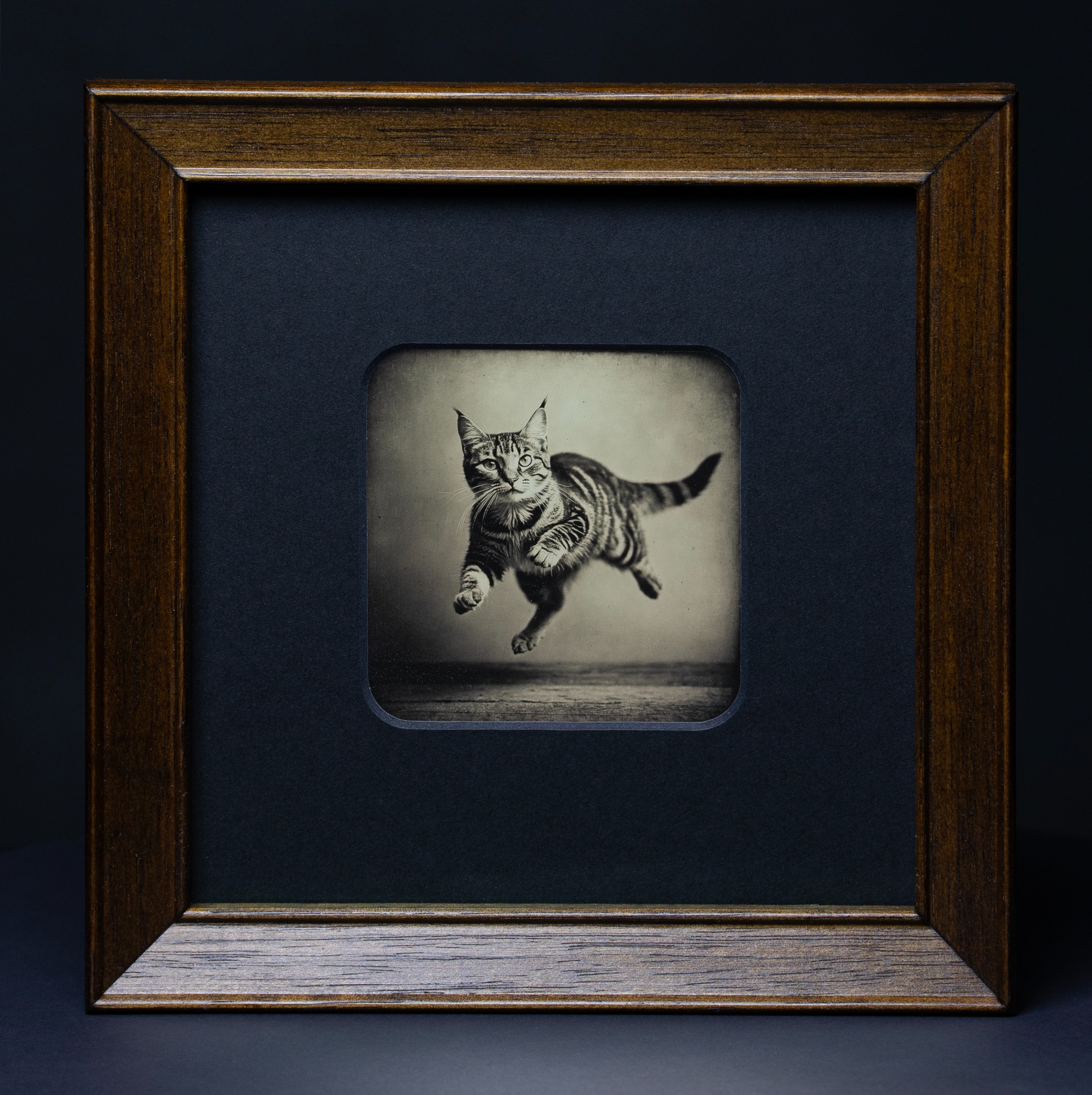
Daguerreotype
“According to Balzac, every body in nature consists of series of spectres, in infinitely superimposed layers […].”
The celebrated French writer Honoré de Balzac believed that every body consisted of “series of spectres, in infinitely superimposed layers”. That is how the photographer Nadar recalled him in his 1900 book Quand j’étais photographe. Balzac feared that each daguerreotype might detach one of these fine layers, like a layer of an onion.
Nadar’s account reminds me of how strongly people can react to new developments. The daguerreotype inspired not only amazement and admiration, but also mistrust, fear and hateful mockery. Things we do not yet know or understand, and that challenge familiar ideas, are sometimes rejected or ridiculed before we have taken a closer look at them. Over time, many of these innovations become an ordinary part of our lives. The initial concerns are then often forgotten.
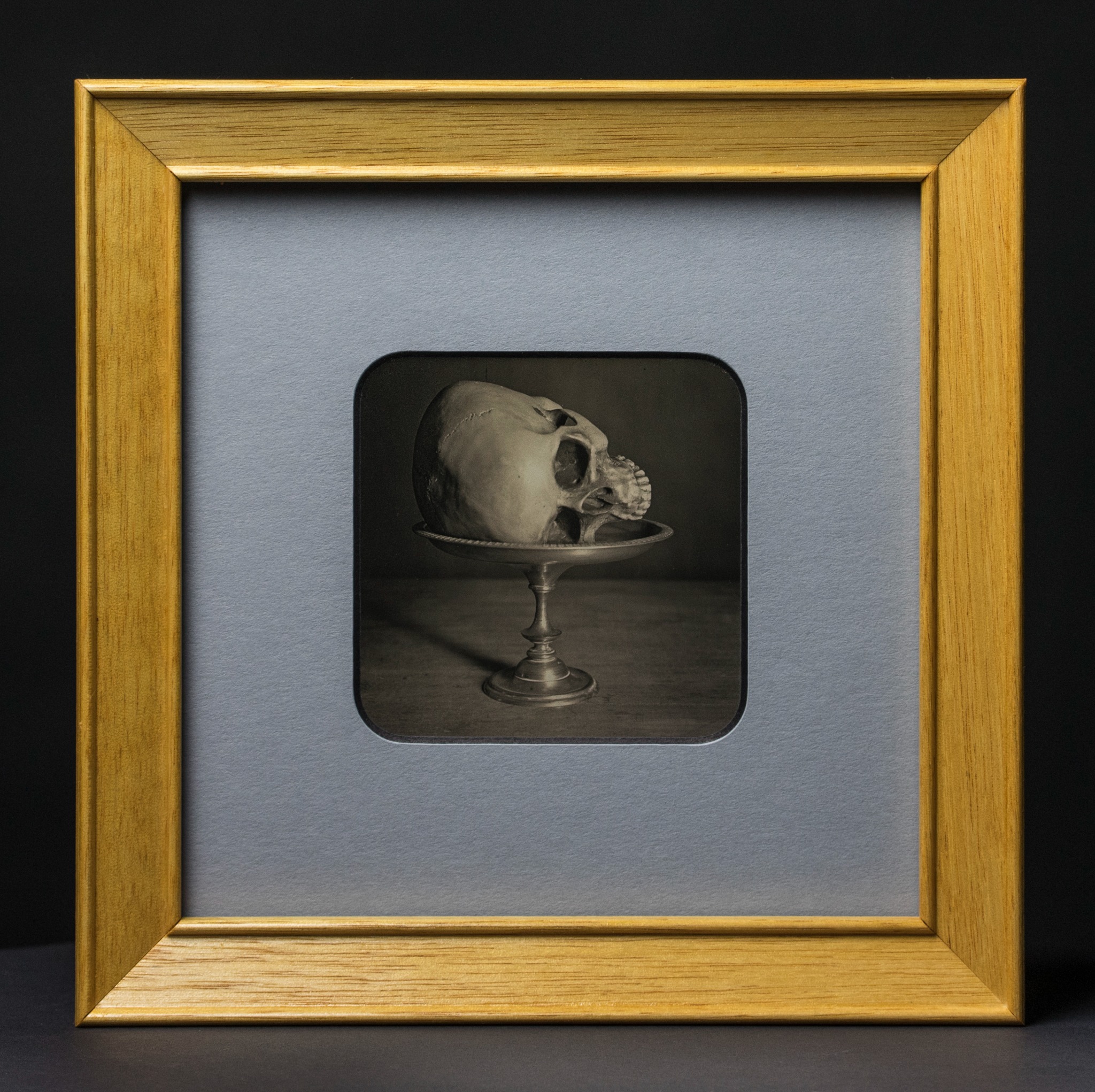
The daguerreotype is a mirror image of reality. The silver-plated surface captures a moment and holds it still—as though one of those delicate “spectres” Balzac spoke of had been captured. In a figurative sense, he was somehow right: something of that moment remains on the plate while life moves on. That moment will never happen again exactly as it was captured here.
.jpg)
.jpg)