Landscapes
and places
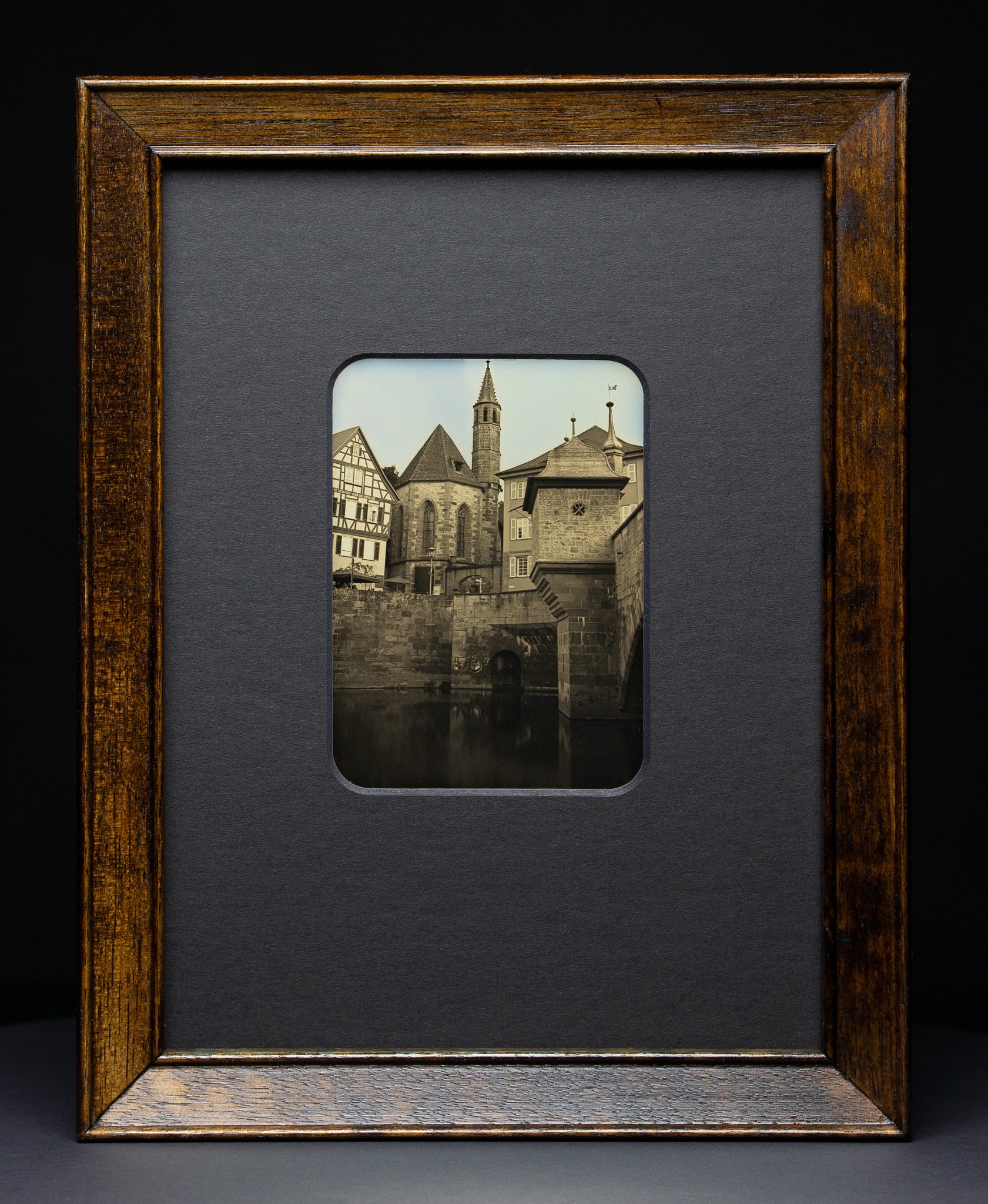
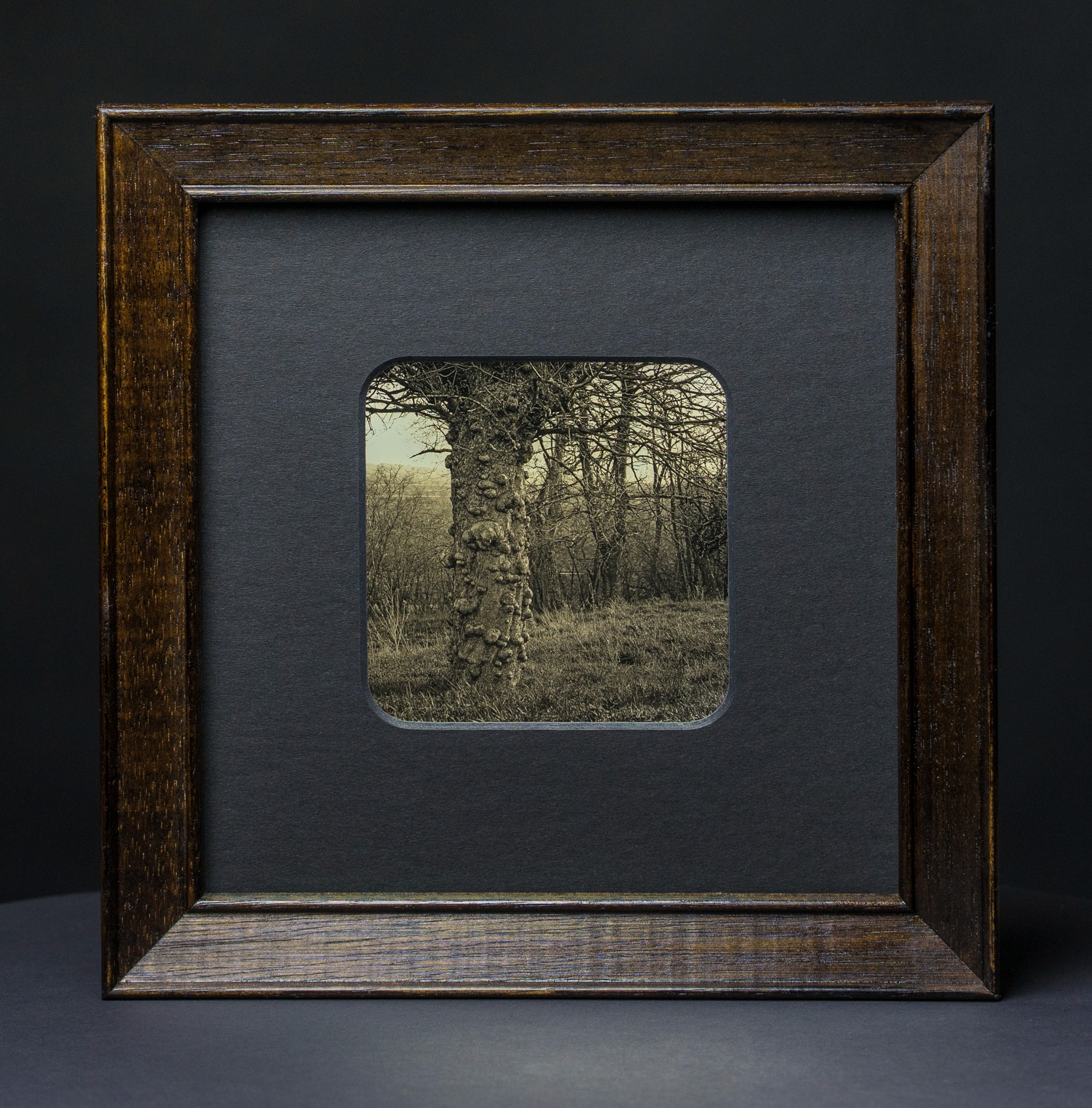
In its early heyday, the daguerreotype was primarily a portrait process. People had their likeness captured on a silver-plated sheet as a keepsake for relatives and future generations. Landscapes and views of places were less common by comparison. The complex steps of the process were easier to manage under the controlled conditions of a studio than while travelling.
In 1844, the daguerreotypist Girault de Prangey expressed what preserving a place through photography could mean:
“Though I do not dare to speak to you of these places at present, I carry with me their precious and indisputably faithful imprint, which neither time nor distance can diminish.”
.jpg)